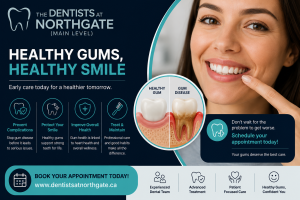


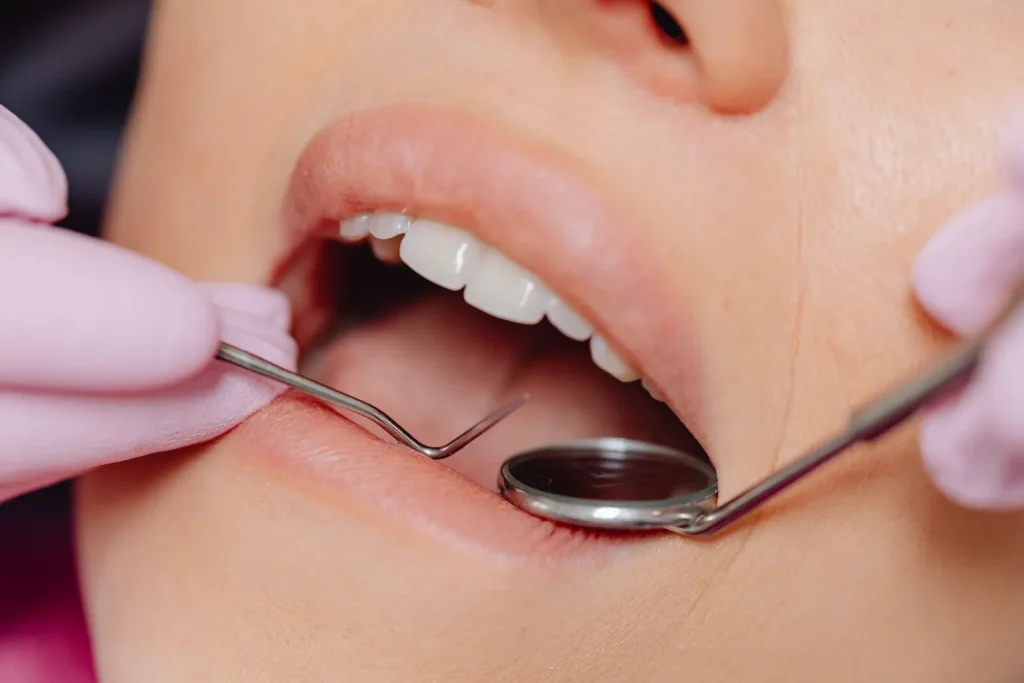
Gum disease starts small but gets worse if you don’t treat it. There are three main stages, and each one needs different care. If you notice red or swollen gums, seeing a dentist in North Edmonton early can stop the problem before it becomes serious. The good news is that early stages are easier to treat and can even be reversed.
Stage 1: Gingivitis (Early Gum Disease)
What Happens in This Stage
Gingivitis is the first and mildest stage of gum disease. Your gums become red, swollen, and bleed when you brush or floss. You might also notice your breath smells bad. At this point, the infection only affects your gums, not the bone underneath your teeth.
How It Gets Started
Gingivitis happens when plaque builds up on your teeth. Plaque is a sticky film full of bacteria. If you don’t remove it by brushing and flossing, your gums get irritated and inflamed. This is why good daily cleaning is so important.
Treatment for Gingivitis
The good news is that gingivitis can be reversed. A dentist near you can help with these steps:
- Professional cleaning to remove plaque and tartar
- Teaching you better brushing and flossing methods
- More frequent cleanings if needed
- Using an antibacterial mouthwash
- Going back to regular checkups every six months
Most people recover fully from gingivitis with these simple treatments.
Stage 2: Periodontitis (Moderate Gum Disease)
What Changes in This Stage
Periodontitis means the infection has spread deeper. Now it affects the bone that holds your teeth in place. Your gums pull away from your teeth and create pockets where more bacteria hide. Your teeth might feel loose or sensitive.
Why This Stage Is More Serious
At this stage, the damage cannot be fully reversed, but it can be controlled. The bone loss that happens here is permanent. This is why catching gum disease early matters so much.
Treatment for Periodontitis
A dentist near you or a specialist called a periodontist treats this stage with:
- Scaling and root planing: Deep cleaning below the gum line to remove bacteria
- More frequent professional cleanings: Every three to four months instead of six
- Antibiotic treatment: Sometimes placed directly in the gum pockets
- Better home care: Special brushes or water flossers
- Regular checkups: To watch for more bone loss
These treatments slow down the disease and prevent it from getting worse.
Stage 3: Advanced Periodontitis (Severe Gum Disease)
What Happens When Disease Gets Severe
Advanced periodontitis means significant bone loss has happened. Your teeth are loose and might fall out. Your gums may look very red or even leak pus. Eating becomes painful and difficult.
Treatment for Advanced Disease
At this stage, treatment focuses on saving teeth and stopping more damage:
- More aggressive scaling and root planing
- Gum surgery: To clean deeper areas and reshape gums
- Bone grafts: In some cases, to help rebuild lost bone
- Tooth extraction: If a tooth cannot be saved
- Implants or bridges: To replace missing teeth after extraction
- Ongoing specialized care: From a periodontist
These treatments are more complex and expensive than early treatment, which is why prevention matters so much.
Prevention Is Your Best Defence
The easiest way to deal with gum disease is to prevent it in the first place. Floss every day, brush two times a day, and visit a dentist at least once two times. If you smoke, quitting helps your gums heal better. Maintaining a healthy diet and reduced levels of stress help support gum health.
A Healthier Smile Starts Now
Gum disease doesn’t have to determine your fate. If you’re already suffering from advanced disease or noticing early signs with your gums, help makes a difference. Treating gum disease early is less invasive with a better outcome. The Dentists at Northgate team is aware of gum disease and knows how to deal with it. We can help you maintain the health and strength of your natural teeth to last a long time. Feel free to contact us if you’re worried about the condition of your gums or haven’t had a checkup in a while. Your smile deserves expert attention, and we are ready to help.
FAQs
Is it possible for gum disease to go away without treatment?
While improved brushing may help gingivitis slightly, it is unlikely to stop bleeding completely.
Is gum disease painful?
Early stages usually don’t hurt, which is why many people miss the warning signs until it’s worse.
Can I keep my teeth if I have periodontitis?
Yes, with proper treatment and good home care, many teeth can be saved even in advanced stages.
How often should I see a dentist if I have gum disease?
Most people with gum disease need cleanings every three to four months instead of the usual six months.